There are moments when the mind never seems to rest.
Even when life appears “fine” on the outside, the nervous system can remain on high alert—anticipating the next problem, replaying the past, or preparing for situations that haven’t even happened yet. Over time, this constant state of mental tension can quietly become a form of survival mode.
Meditation isn’t simply a trend or a productivity tool. For many people, it becomes a way to reconnect with the body, calm the nervous system, and create space between awareness and thought. It offers a pause—a moment where the mind can soften and the body can begin to feel safe again.
If you’re here, it’s likely something within you is seeking calm, clarity, or a deeper sense of inner steadiness. Meditation provides a practical and accessible way to return to the present moment, where peace is always available.
This article explores 10 powerful reasons to meditate and how it can become a steady support in everyday life. Whether you’re just beginning or returning to your practice once again, these insights are here to meet you exactly where you are.
Affiliate disclaimer: This post may contain affiliate links. If you choose to make a purchase through these links, I may earn a small commission at no additional cost to you.
1. Meditation Calms the Nervous System
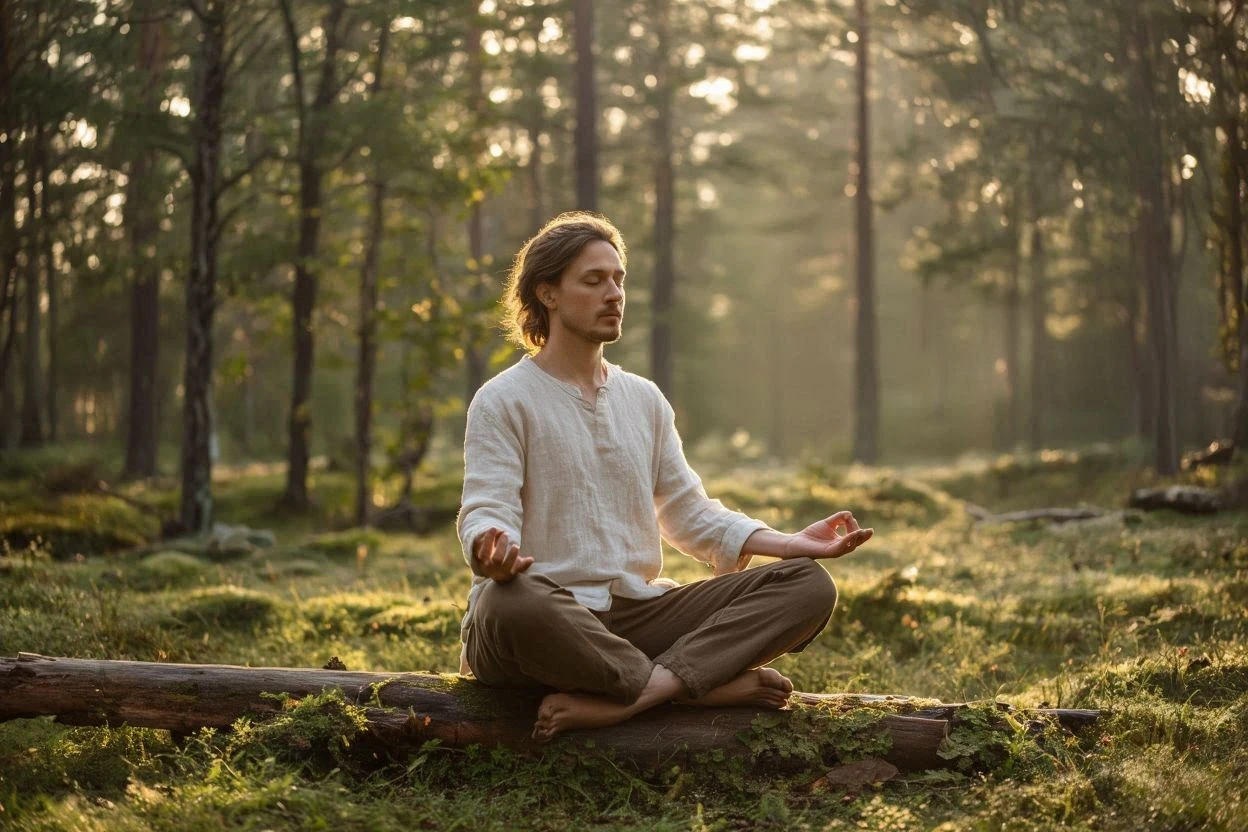
One of the most powerful benefits of meditation is its ability to calm the nervous system. When stress or anxiety is present, the body often shifts into fight-or-flight mode—a state designed for short-term danger but exhausting when it becomes constant. Meditation helps guide the body out of this survival response by activating the parasympathetic nervous system, allowing the body and mind to begin regulating again.
With regular practice, this calming response supports measurable changes in both the body and brain.
Meditation supports nervous system regulation by helping to:
- Slow the heart rate and steady breathing
- Reduce stress hormones such as cortisol
- Signal safety to the body and mind
- Shift the body out of chronic survival mode
- Build long-term emotional resilience
Neuroscientist Dr. Richard Davidson has noted that meditation can create lasting changes in the brain that support emotional well-being. Rather than offering only temporary relaxation, meditation gradually retrains the nervous system’s baseline response to stress—making calm more accessible both during practice and throughout daily life.
2. It Creates Space Between You and Your Thoughts

Many people believe meditation is about stopping thoughts. It isn’t.
Meditation teaches you how to observe thoughts without becoming entangled in them. Instead of being pulled into every worry, memory, or inner critique, you begin to notice thoughts as passing mental events—more like clouds moving across the sky than absolute truths that demand a reaction. This simple shift in awareness creates space, and in that space, a sense of freedom begins to emerge.
Over time, this way of relating to your thoughts changes how the mind responds to stress and anxiety. Rather than reacting automatically, you learn to pause and witness what’s happening internally with more clarity and ease.
This matters because:
- Automatic reactions begin to slow
- Overthinking gradually loosens its grip
- Mental noise becomes quieter and less intrusive
- You gain perspective instead of feeling overwhelmed
Psychologist Dr. Jon Kabat-Zinn, founder of Mindfulness-Based Stress Reduction (MBSR), captures this perfectly:
“You can’t stop the waves, but you can learn to surf.”
If anxiety has ever made you feel trapped inside your own mind, meditation offers a way forward—not by forcing thoughts away, but by learning how to relate to them with awareness, patience, and compassion.
3. Meditation Brings You Into the Present Moment

Anxiety rarely lives in the present moment. It tends to pull awareness into imagined futures or unresolved past experiences, creating tension long before anything is actually happening. Meditation gently brings attention back to now—the only place where the body can truly rest, regulate, and feel safe.
Anxiety often shows up through thoughts like:
- “What if something goes wrong?”
- “What’s coming next?”
- “What did I miss or mess up?”
By anchoring attention in the breath, bodily sensations, or the sounds around you, meditation sends a powerful message to the nervous system: right now, I am safe. This shift helps interrupt anxious thought loops and brings awareness back into the body, allowing calm to settle naturally rather than being forced.
If you’d like additional support, you may find my free meditation resources helpful, including a guided release meditation designed to gently bring awareness back into the body and support the release of lingering stress or past tension.
4. It Builds Emotional Resilience
Meditation doesn’t eliminate difficult emotions—it teaches you how to sit with them without becoming overwhelmed by them. This is the foundation of emotional resilience. Rather than suppressing emotions or being swept away by them, meditation helps you stay present as sensations rise and fall in the body, allowing emotions to move through without fear or resistance.
Over time, this practice strengthens your ability to respond to stress with greater steadiness. Research published in Frontiers in Psychology has shown that mindfulness practices significantly improve emotional regulation and stress tolerance, helping individuals experience emotions without escalating into overwhelm
As emotional resilience develops, many people notice:
- Greater tolerance for discomfort
- Faster recovery after emotional stress
- Less fear of experiencing difficult feelings
- More confidence in their ability to self-regulate
Resilience isn’t about being unshakable or unaffected by life’s challenges. It’s about knowing that whatever arises can be met with awareness—and that you have the ability to return to center again and again.
5. Meditation Improves Self-Awareness

With consistent meditation, awareness naturally deepens and patterns begin to reveal themselves. Instead of moving through life on autopilot, you start to notice how certain thoughts, emotions, and reactions arise—and how often they repeat. This growing awareness creates space between stimulus and response, allowing for more conscious choice.
Over time, you may begin to recognize:
- Emotional triggers that once felt automatic
- Repetitive thought loops that shape your mood
- Habitual reactions rooted in past conditioning
This level of self-awareness is empowering. Rather than reacting from old patterns, meditation gives you the ability to pause, reflect, and respond with intention. This is where real transformation begins—not through force or self-judgment, but through understanding.
If self-reflection and inner inquiry resonate with you, you may also enjoy reading my article on daily affirmations for mindfulness & inner peace, which explores how awareness paired with intention can support deeper, lasting change.
6. It Strengthens Inner Peace That Isn’t Circumstance-Dependent
One of the greatest misconceptions about peace is that it arrives only when life finally settles down. Many people wait for the right conditions—fewer problems, more certainty, less emotional discomfort—before allowing themselves to feel calm. Meditation gently challenges this belief by teaching something far more sustainable: peace is an internal skill, not an external reward.
Through regular practice, you begin to experience calm even when life doesn’t look perfect on the outside. Meditation helps you stay rooted and steady in moments that would once have felt overwhelming, reminding you that peace doesn’t disappear simply because emotions or uncertainty are present.
With time, this grounded calm becomes accessible even when:
- Life feels unpredictable or uncertain
- Circumstances aren’t going as planned
- Emotions are active and moving through the body
As meditation teacher Tara Brach says:
“Peace is not the absence of conflict, but the ability to cope with it.”
When this understanding takes hold, your relationship with stress, uncertainty, and change begins to shift, allowing you to meet life with greater ease and resilience.
7. Meditation Supports Mental Clarity and Focus
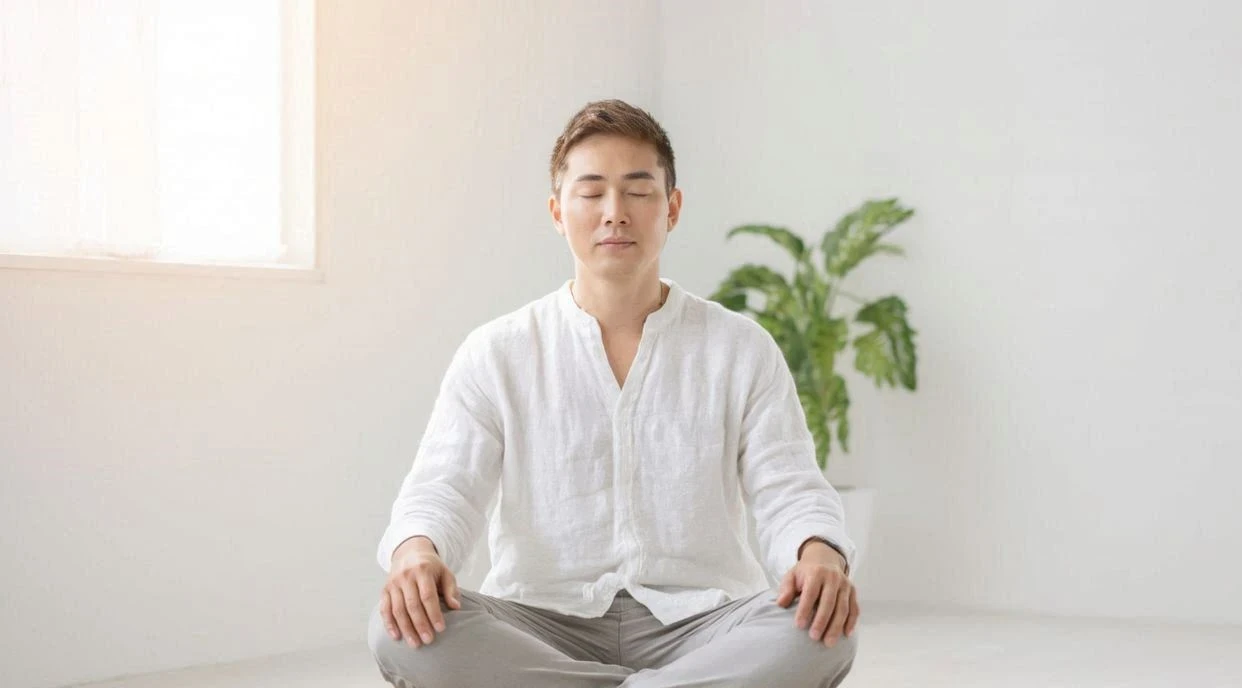
A scattered mind is often an exhausted mind. When attention is constantly pulled in multiple directions, mental clarity begins to fade and even simple decisions can feel draining. Meditation helps restore focus by training the brain to return—again and again—to a single point of awareness, such as the breath or a physical sensation.
This repeated practice strengthens attention and working memory over time. Research shared by Harvard Medical School has shown that regular meditation can increase gray matter density in areas of the brain associated with learning, memory, and focus, suggesting that meditation doesn’t just sharpen attention temporarily—it supports long-term cognitive clarity.
As focus and clarity improve, many people notice:
- Improved concentration and mental stamina
- Better decision-making with less overwhelm
- Clearer thinking, especially under pressure
These benefits help explain why meditation is now widely practiced across professional, academic, and creative environments. By quieting mental noise and strengthening attention, meditation creates the internal conditions needed for thoughtful, intentional action rather than constant mental strain.
8. Meditation Encourages Self-Compassion
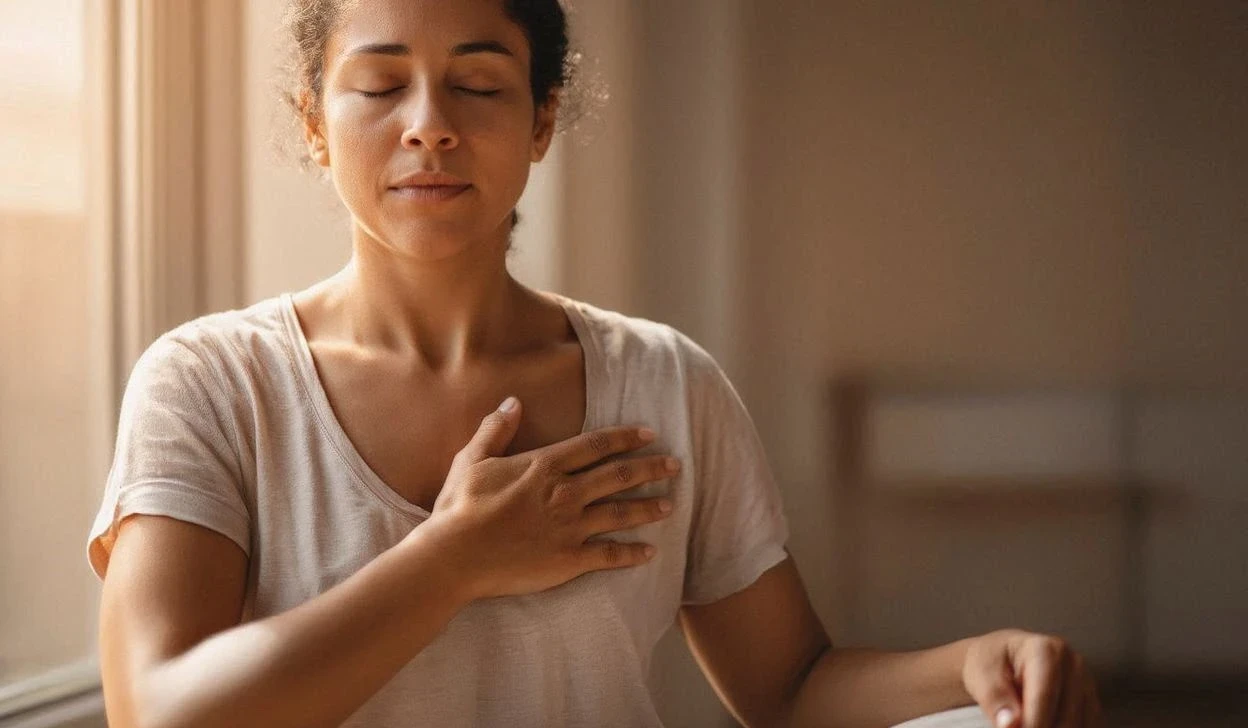
Many people are far more critical of themselves than they would ever be toward someone they love. This inner dialogue—often shaped by past experiences and unrealistic expectations—can quietly create pressure, shame, and emotional fatigue. Meditation helps soften this pattern by bringing awareness to how we speak to ourselves and offering a kinder way of relating inwardly.
As awareness grows through practice, judgment begins to loosen and compassion naturally takes its place. Research on self-compassion has shown that mindfulness and compassion-based meditation practices can significantly reduce shame and self-criticism, while supporting greater emotional well-being.
Dr. Kristin Neff, a leading researcher on self-compassion, notes:
“Self-compassion provides the same benefits as high self-esteem without the downsides.”
Over time, cultivating self-compassion through meditation can lead to:
- A gentler and more supportive inner voice
- Reduced self-judgment and inner pressure
- Greater emotional safety and resilience
- An increased capacity for healing and self-acceptance
When kindness becomes the default way you relate to yourself, healing doesn’t feel forced—it unfolds naturally, supported by patience, understanding, and care.
9. It Helps You Regulate Emotions More Easily
Meditation strengthens interoceptive awareness—the ability to sense and understand what’s happening inside your body. As this awareness develops, emotions begin to feel less mysterious and far less threatening. Rather than reacting to emotions with fear or avoidance, you learn to observe how they move through the body with curiosity and presence.
Through meditation, emotions are experienced as processes rather than problems. You begin to notice how they:
- Arise as sensations in the body
- Shift and change over time
- Gradually dissolve when met with awareness
This understanding reduces the urge to suppress or resist emotional experiences and helps build trust with your inner world. When emotions are allowed to move freely, regulation becomes more natural and less effortful.
10. Meditation Boosts Creativity and Problem-Solving

Creativity thrives in stillness. When the mind is no longer crowded with constant mental noise, space opens for new ideas to arise naturally. Meditation supports this process by quieting mental clutter and allowing awareness to soften, making creative thinking feel more fluid rather than forced.
Research published in Consciousness and Cognition has shown that mindfulness meditation enhances divergent thinking—a key component of creativity that allows the mind to generate multiple ideas and approach challenges from fresh perspectives.
As meditation becomes part of a creative routine, many artists, writers, and innovators find it easier to:
- Access flow states with greater ease
- Move through creative blocks without frustration
- View challenges from new and more expansive angles
This connection between meditation and creativity is explored beautifully in a short teaching by Mingyur Rinpoche, where he explains how meditation clears space in both the heart and mind. As mental tension softens, creativity is able to emerge as the spontaneous expression of one’s true nature
When the mind relaxes, insight follows.
Recommended Books That Go Deeper Into This Topic
“Peace Is Every Step” – Thich Nhat Hanh
A beautiful exploration of how mindfulness can be woven into daily life. Rather than seeking peace as a distant goal, this book teaches how calm and awareness can be cultivated in each step, breath, and moment.
“Why Buddhism Is True” – Robert Wright
This book bridges modern understanding of the mind with ancient meditation practices, showing how mindfulness helps loosen emotional reactivity, reduce suffering, and create more inner freedom—without requiring spiritual beliefs.
“The Art of Living” – Thich Nhat Hanh
A compassionate guide to transforming suffering through mindfulness and meditation. This book focuses on emotional regulation, inner peace, and learning how to stay present even during difficult life experiences.
A Gentle Invitation
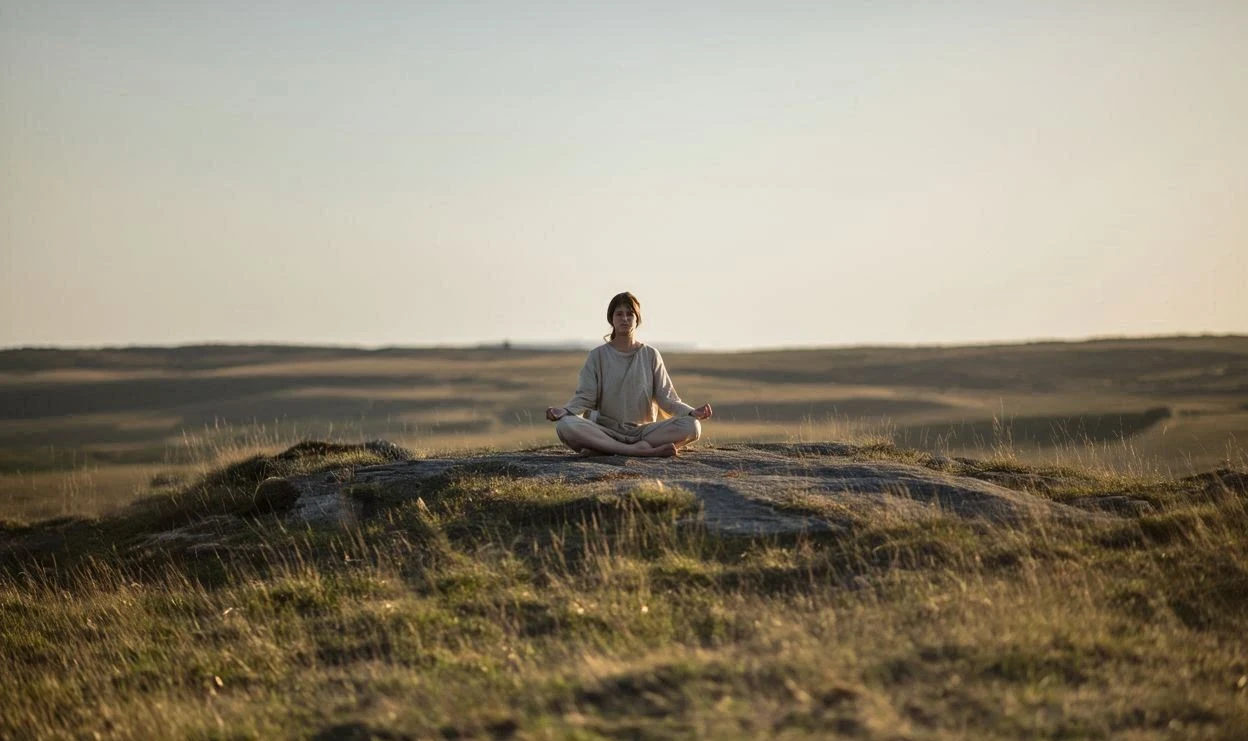
Meditation is not about becoming someone new or fixing what you think is broken. It’s about gently remembering who you already are beneath the noise, the conditioning, and the constant pull of the outside world. At its core, meditation is an invitation to come home to yourself—just as you are, right now.
If you’ve tried meditation before and found it challenging or frustrating, you’re not doing it wrong. Struggle is often part of the process. If you’re just beginning, you’re not behind—you’re right on time. And if meditation has already touched your life in some way, know that your practice is still unfolding, deepening, and evolving alongside you.
I would truly love to hear from you.
What has meditation brought into your life so far?
Whether you’ve experienced moments of calm, faced resistance, found clarity, or simply shown up again and again, your story matters. Share your struggles, your wins, or your questions in the comments below—because what you’ve learned or lived through may be exactly what someone else needs to read today.
With love,
Deeana — Meditate4Calm

Affiliate disclaimer: This post may contain affiliate links. If you choose to make a purchase through these links, I may earn a small commission at no additional cost to you.