Changing Your Brain For Good
A few years back, if you’d told me I could literally rewire my anxious brain through meditation, I would have politely nodded while mentally cataloging you under “too woo-woo for me.” But here’s the thing—science doesn’t care about my skepticism. The research is clear: meditation creates actual, measurable changes in your brain’s physical structure.
I started meditating not because I was some zen-seeking soul, but because anxiety had hijacked my life. What I discovered wasn’t just a coping mechanism—it was neuroplasticity in action. My brain was actually changing, physically rewiring itself with every session.
Your Brain Isn’t Fixed (And That’s Incredible News)
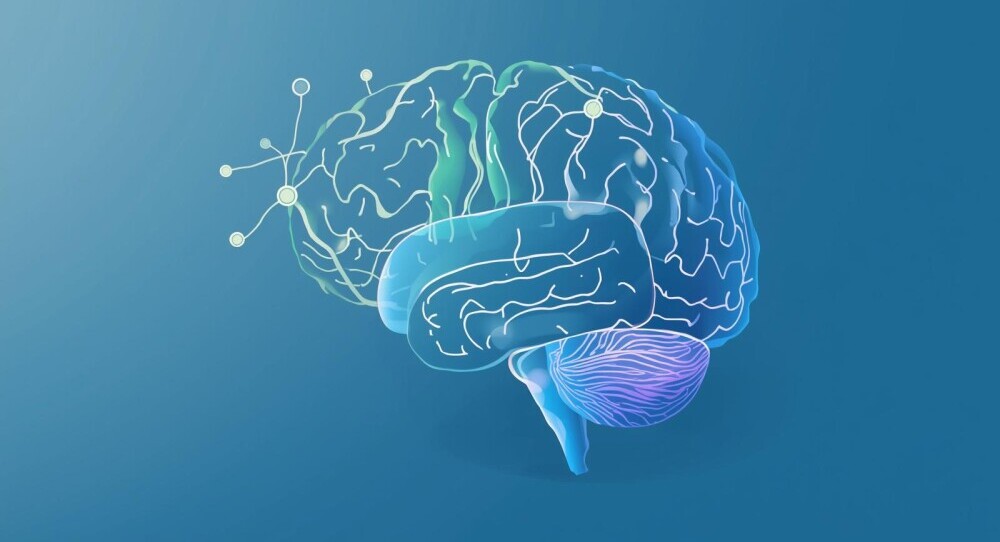
Here’s the game-changer: neuroplasticity means your brain is constantly remodeling itself based on your experiences. Every thought you think, every action you take, every moment you focus your attention—all of it physically reshapes your neural architecture.
You are literally sculpting your brain right now.
There’s a principle in neuroscience: “neurons that fire together, wire together.” When anxiety pathways fire repeatedly, they strengthen. But here’s the beautiful flip side—when you practice meditation repeatedly, those calm-response pathways strengthen too.
Your anxious brain isn’t permanent. It’s just well-practiced.
Every Meditation Session Is Physical Brain Training
I used to think “bad” meditation sessions were failures. You know the ones—where your mind wanders constantly and you feel like you’re doing it all wrong?
Plot twist: Those are actually excellent brain training sessions.
Each time you notice your mind has wandered and gently guide it back to your breath, you’re doing a “rep.” Just like lifting weights builds muscle tissue, that simple action of noticing and returning builds brain tissue.
Study participants who practiced mindfulness exercises for an average of 27 minutes each day showed increased gray-matter density in the hippocampus, which is important for learning and memory, and in structures associated with self-awareness, compassion, and introspection.
Even on days when meditation feels impossible, your brain is still getting stronger. If you’re new to this and want to explore different approaches, I’ve written about various meditation techniques for beginners.
The Anxiety-to-Calm Pathway Shift
Let me paint you a picture of what’s happening in your brain:
Old Anxiety Pathway: Trigger → Immediate amygdala activation → Body stress response → Racing thoughts → More anxiety
New Calm Pathway: Trigger → Notice trigger → Pause (prefrontal cortex activates) → Conscious breath → Regulate amygdala → Calm response
The transition isn’t instant. Initially, both pathways exist, and the anxiety one is like a six-lane highway while your calm pathway is a dirt road. But with consistent practice, something remarkable happens.
Participant-reported reductions in stress were correlated with decreased gray-matter density in the amygdala, which plays an important role in anxiety and stress. Meanwhile, your prefrontal cortex gets stronger and more connected to your emotional centers.
What’s Actually Changing in Your Brain
Your brain transforms on multiple levels:
Synaptic changes: Connection points between neurons multiply in meditation-related circuits while unused anxiety-related synapses are pruned away.
Cellular changes: New neurons grow, especially in the hippocampus. Existing neurons become more branched and complex.
Regional changes: The prefrontal cortex, hippocampus, and insula show increased activity and volume. Your Default Mode Network becomes less active, while your Executive Control Network strengthens.
You’re building a highway to calm while the anxiety pathway gradually becomes less traveled, weaker, and eventually gets “pruned” away.
The Timeline: What to Expect and When
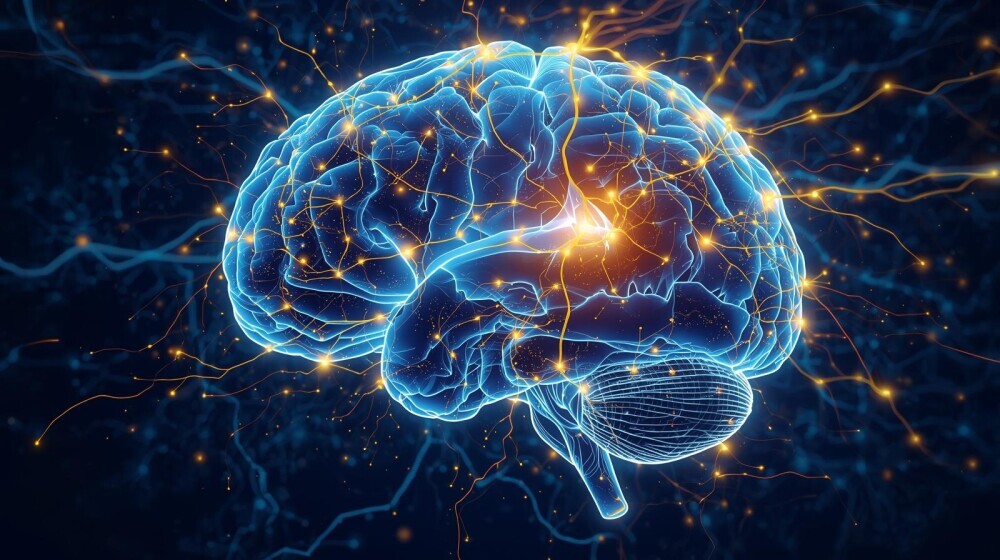
Here’s the honest truth: the eight-week mark that gets cited everywhere isn’t magic. The largest controlled study actually found no structural brain changes after eight weeks compared to control groups. But here’s what’s important: people still reported feeling significantly better.
Individual experiences vary wildly. Think of it like this:
- Weeks 1-8: Foundation building, learning the basics, initial functional changes
- Months 3-6: More consistent benefits, beginning structural changes
- Year 1+: Substantial rewiring, meditation becomes more effortless
- Years 2-5+: Profound reorganization, trait-level shifts
There’s no ceiling. Your brain can keep optimizing indefinitely.
Consistency Trumps Duration (Every Single Time)
Neuroplasticity responds to repetition patterns, not marathon sessions. Ten minutes daily for 30 days creates more lasting change than five hours once a month.
Daily practice signals to your brain: “This is important. Build infrastructure for this.” Missing days here and there is fine—I’ve missed plenty—but the overall pattern of consistency is what tells your brain to invest in permanent changes.
The Skills Transfer From Cushion to Life
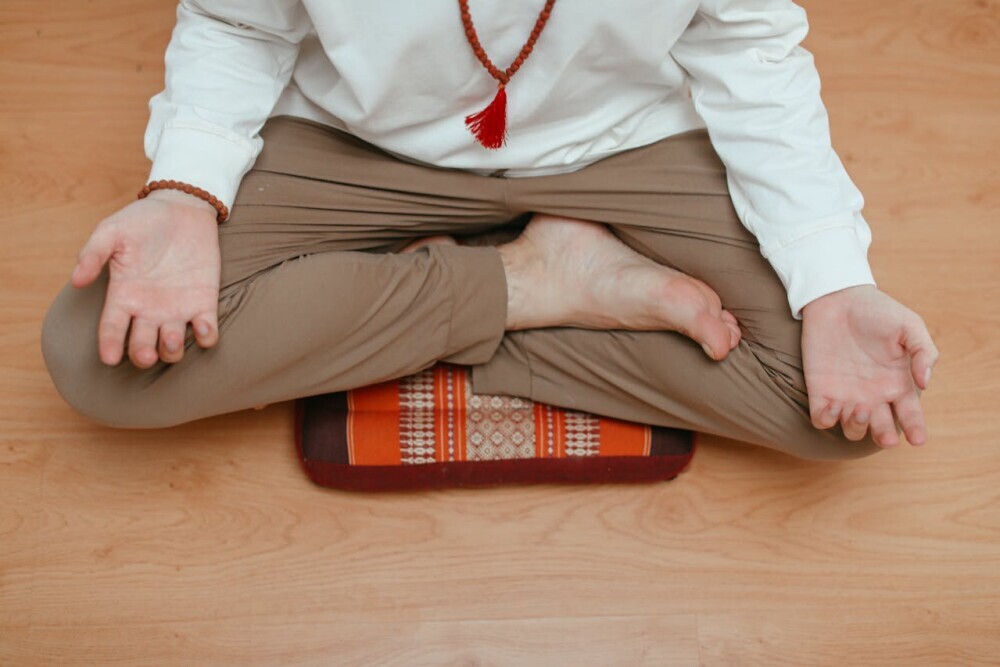
The pathways you build during meditation don’t stay confined to your practice sessions. The attention control you develop while focusing on your breath becomes attention control during difficult conversations and work challenges. The emotional regulation you practice during meditation becomes emotional regulation when life gets hard.
Your brain doesn’t differentiate between “meditation brain” and “regular brain”—it’s all the same neural hardware. For more on how this plays out daily, check out my article on meditation and anxiety.
What Makes Brain Changes Happen Faster (or Slower)
Accelerators:
- Consistent daily practice (even if brief)
- Quality sleep—when neural consolidation happens
- Physical exercise—increases BDNF, a neuroplasticity chemical
- Emotional engagement—caring about your practice
Inhibitors:
- Chronic stress—cortisol interferes with neuroplasticity
- Poor sleep—prevents consolidation
- Excessive alcohol—disrupts neuroplastic processes
- Perfectionism—creates stress that interferes with learning
Practical Steps: Starting Your Journey
1. Start Small: Begin with 5-10 minutes daily at the same time each day—I meditate right after my morning coffee.
2. Choose Your Anchor: Pick something to return your attention to—breath sensations, physical sensations in your body, or ambient sounds.
3. Expect the Wandering Mind: Your mind will wander. That’s not failure—that’s the entire practice. Notice it wandered, gently return to your anchor. That’s one rep.
4. Track Progress Differently: Measure success by how you handle difficult moments in daily life, not how peaceful meditation feels.
Frequently Asked Questions
How long does it take to see changes from meditation? Many people notice shifts in how they handle anxiety within 4-8 weeks of daily practice, though timelines vary. Functional changes (how you think and feel) often appear before structural brain changes become measurable.
Do I need to meditate for a certain amount of time each day? Consistency matters more than duration. Start with whatever feels manageable—even 5 minutes counts. Ten minutes daily beats an hour once a week.
What if my mind is “too busy” to meditate? A busy mind isn’t a barrier—it’s precisely why meditation helps. The practice trains your attention control regardless of how scattered your mind feels initially.
Can meditation replace medication for anxiety? Meditation should complement, not replace, medical treatment. A 2022 study found an eight-week mindfulness course appeared as effective as medication for treating anxiety, but never discontinue prescribed medications without consulting your healthcare provider.
What happens if I stop meditating? Neural pathways will gradually weaken if you stop practicing, but they don’t disappear completely. They’re easier to rebuild than build initially, which is why returning to practice after a break often feels familiar quickly.
The Empowering Truth

You are not your current brain. Those anxious patterns that feel so permanent? They’re just well-worn neural pathways that formed through repetition. They can be weakened through disuse while you simultaneously build new pathways toward calm.
Dr. Elizabeth Hoge, a psychiatrist at Massachusetts General Hospital and Harvard Medical School, explains that people with anxiety have trouble dealing with distracting thoughts that have too much power, unable to distinguish between problem-solving thoughts and unproductive worries. Meditation trains you to experience those thoughts completely differently.
Meditation isn’t about managing a fixed anxious brain. It’s about transforming your brain into one that naturally generates less anxiety and more peace. Every single session contributes to this physical transformation, whether you feel it immediately or not.
The anxious thoughts might still come—they do for me too sometimes. But now they’re visitors, not residents. And that has made all the difference.
Disclaimer: The information in this article is for educational purposes only and is not intended as medical advice. Meditation is a complementary practice that supports mental health but should not replace professional treatment. If you’re experiencing severe anxiety, panic attacks, or anxiety that interferes with daily functioning, please consult with a qualified healthcare provider. Meditation works beautifully alongside therapy and medication—but it’s not a substitute for professional care when you need it.
Ready to begin? Set a timer for just five minutes tomorrow morning. Sit comfortably, close your eyes, and simply notice your breath. When your mind wanders (not if, when), gently return to breathing. That’s it. That’s meditation. That’s neuroplasticity in action.
What’s been your experience with meditation and anxiety? Have you noticed changes in how your brain responds to stress? I’d love to hear about your journey, your struggles, and your wins in the comments below. Your story might be exactly what someone else needs to hear today.
With love,
Deeana — Meditate4Calm

References:
- Hölzel, B. K., et al. (2011). Mindfulness practice leads to increases in regional brain gray matter density. Psychiatry Research: Neuroimaging. https://news.harvard.edu/gazette/story/2011/01/eight-weeks-to-a-better-brain/
- Hoge, E. A., et al. (2013). Randomized controlled trial of mindfulness meditation for generalized anxiety disorder. Journal of Clinical Psychiatry. https://www.health.harvard.edu/blog/mindfulness-meditation-may-ease-anxiety-mental-stress-201401086967
- Kral, T. R. A., et al. (2022). Absence of structural brain changes from mindfulness-based stress reduction. Science Advances. https://www.science.org/doi/10.1126/sciadv.abk3316