Let’s be honest — staying motivated to meditate every day sounds simple in theory, but in practice, it can feel like a constant tug-of-war. One morning you wake up excited, sit down, breathe deeply, and think, Yes, I can do this forever. The next day? You hit snooze, scroll your phone, and tell yourself you’ll “start again tomorrow.”
If this sounds familiar, you’re definitely not alone.
When I first started meditating, I wanted peace so badly — but the discipline? That was harder. I’d sit for a few days, feel great, then skip one session and spiral into guilt. It took me a long time to realize that motivation isn’t something you wait for — it’s something you cultivate through compassion, consistency, and curiosity.

Over the years, meditation has helped me ease anxiety, let go of old versions of myself, and rebuild my confidence from the inside out. You can read more about my personal story here if you’re curious about how this practice became such a powerful part of my life.
In this post, I want to share what I’ve learned — both from experience and from science — about how to stay motivated to meditate daily, even when life gets messy.
1. Start Small and Keep It Realistic
One of the biggest traps people fall into is starting too big. You don’t need an hour-long silent retreat in your living room to benefit from meditation. In fact, you can start with just two minutes a day.
Research backs this up. A study from the University of Wisconsin–Madison found that even short, consistent mindfulness sessions improve emotional regulation and stress resilience over time — sometimes more effectively than sporadic long sessions.
So instead of aiming for perfection, start where you are.
Try a few mindful breaths in the morning before checking your phone or a mini session before bed. Those small, steady moments compound into real change.
Pro Tip:
Set a two-minute timer, close your eyes, and focus only on your breath. Once it feels natural, increase your time slowly. You’ll be amazed how quickly it grows.
2. Set a Clear “Why”
Motivation fades fast when your “why” is vague. That’s why I always tell people to get crystal clear about their reason for meditating.
Maybe you want to:
- Feel calmer and think more clearly.
- Stop letting anxiety control your day.
- Strengthen your spiritual connection.
- Be more present for your kids or partner.
Your “why” acts like an anchor when your willpower starts to drift.
When I first started meditating, my reason was simple: I was tired of feeling like my anxiety ran the show. I wanted peace to feel normal, not rare. That intention carried me through the days when my mind was racing or I didn’t feel like sitting.
A 2018 study from Carnegie Mellon University found that when people connected mindfulness practice to a personally meaningful goal, they were more likely to sustain the habit long-term.
So before you meditate next, pause and ask yourself:
“Why am I doing this today?”
Even if the answer changes, your clarity will keep your practice alive.
3. Create a Routine or Cue
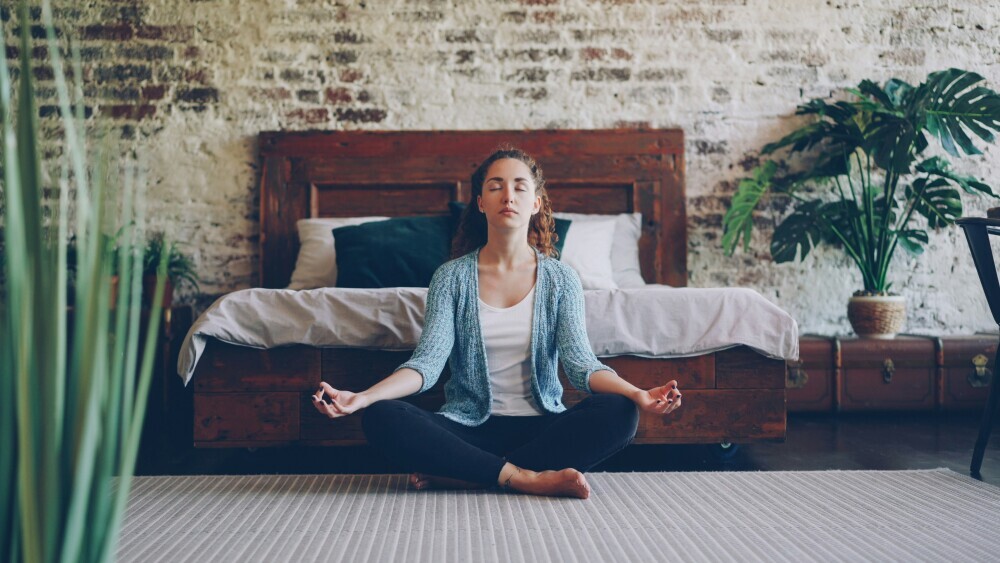
Meditation becomes easier when it’s part of your daily rhythm — not an afterthought. This is where the power of habit cues comes in.
Try attaching your meditation to something you already do automatically:
- After brushing your teeth
- With your morning coffee
- Before bed
- After finishing a workout
That means you can use your routines to your advantage.
When meditation becomes a natural part of your day, it’s no longer about forcing yourself — it’s just something you do.
Try This:
Set a reminder on your phone with a simple affirmation like, “This is my moment of calm.” Seeing it daily reinforces your cue mentally and emotionally.
4. Make Your Space Inviting
One of the most underrated motivators is your environment.
Think about it — you’re more likely to work out if your gym clothes are laid out. The same goes for meditation. A dedicated space, even a tiny one, signals to your brain: this is where I recharge.
You don’t need an elaborate altar (unless you want one). A candle, a favorite pillow, or soft background music can make a world of difference.
Pro Tip: Keep your phone on airplane mode. Notifications break presence faster than anything.
Your space doesn’t need to be perfect — it just needs to feel like a safe pause in your day.
5. Be Kind to Yourself
Here’s something I wish someone had told me earlier: You will have off days, and that’s perfectly okay.
Some days you’ll feel deeply connected; other days, you’ll just be sitting there thinking about dinner. That doesn’t mean you failed — it means you’re human.
Meditation isn’t about emptying your mind. It’s about not judging yourself when it wanders.
As meditation teacher Sharon Salzberg beautifully said:
“The healing is in the return — not in never having wandered.”
When you show yourself compassion, you create the emotional safety that allows your practice to grow.
That’s why I often remind readers (and myself) — progress in meditation is measured not by how long you can sit still, but by how quickly you can come back when you drift.
6. Track Your Progress

Motivation thrives on visible results. When you start noticing how meditation changes your emotional state, it becomes self-reinforcing.
Try jotting down a quick note after each session:
- “Before: anxious. After: lighter.”
- “Before: tense shoulders. After: relaxed.”
Over time, these notes become powerful proof that meditation works.
A famous Harvard University study found that consistent mindfulness practice increases gray matter density in areas of the brain linked to memory, emotional regulation, and empathy.
That’s not just feel-good — that’s neuroscience showing how your brain literally changes through consistent practice.
7. Keep It Interesting
Meditation isn’t one-size-fits-all. If you feel stuck or bored, try exploring new techniques.
Here are a few to experiment with:
- Guided meditations: Great for beginners or anxiety relief.
- Breath awareness: Simply notice your inhales and exhales.
- Loving-kindness meditation: Send compassion to yourself and others.
- Mantra meditation: Repeat a word or phrase to focus your mind.
- Walking meditation: Perfect if sitting still feels hard.
Variety keeps your mind curious — and curiosity naturally fuels motivation.
According to Dr. Judson Brewer, a psychiatrist and mindfulness researcher at Brown University, curiosity helps override resistance and boredom by activating the brain’s reward pathways.
So if your practice feels stale, switch it up. Meditation should evolve with you.
8. Celebrate Small Wins
We often underestimate the power of celebrating progress.
Every time you sit down — even for a minute — you’re showing up for yourself.
That deserves recognition.
Think about how we praise kids for small steps like tying their shoes. Adults need that encouragement too. So give yourself credit when you stay consistent.
You can even set small milestones like:
- Meditated 5 days in a row
- Tried a new technique
- Meditated during a stressful week
That positive reinforcement strengthens your self-trust. Over time, it shifts your identity from “someone trying to meditate” to “someone who meditates.”
Frequently Asked Questions
Q: What if I don’t have time to meditate daily?
Start with micro-meditations — even 60 seconds of deep breathing before a meeting counts. Over time, you’ll likely make time because you’ll notice how much calmer you feel.
Q: I can’t sit still. Does that mean I’m bad at meditation?
Not at all. Stillness isn’t required. Try movement-based or walking meditation. It’s about awareness, not posture.
Q: How long before I see results?
Many people report changes in focus and stress levels within a few weeks. A Johns Hopkins University meta-analysis found that mindfulness programs can reduce symptoms of anxiety and depression in just 8 weeks.
Q: What if my mind keeps wandering?
That’s part of the process. Every time you notice and return to the present, you’re strengthening your mental muscle — just like training at the gym.
Q: Should I meditate at the same time every day?
It helps, yes. A consistent time creates rhythm, but if life gets in the way, fit it where you can. Flexibility is better than quitting.
Final Thoughts

Staying motivated to meditate daily isn’t about discipline alone — it’s about nurturing a relationship with yourself. Some days, motivation will flow effortlessly; other days, it will feel like work. But every time you sit, breathe, and reconnect, you’re teaching your nervous system something profound: peace is possible right here, right now.
Whether you meditate for 2 minutes or 20, it all counts.
The real transformation happens not in the stillness itself, but in the decision to return — again and again — to your calm center.
If you’re still figuring it out, be gentle with yourself. That compassion is part of the practice.
I’d love to hear from you — what helps you stay consistent with meditation? Share your stories, struggles, or breakthroughs in the comments below.
With love,
Deeana — Meditate4Calm

Disclaimer:
This article reflects personal experience combined with reputable research and is intended for educational purposes only. It does not replace professional medical advice or therapy. If you experience anxiety, depression, or trauma-related symptoms, please seek support from a qualified professional.