Meditation and inner work have been a steady part of my life for years, and they’ve played a huge role in helping me heal, calm anxiety, and rebuild confidence from the inside out. Much of that story is something I’ve shared more personally on my About Me page, but I bring those lived experiences into everything I write here on Meditate4Calm.
If you’re here, chances are you’re seeking relief from the past, a way to reconnect with your body and mind, and a practice that helps you feel grounded, safe and alive. The synergy between trauma healing and meditation is powerful — one doesn’t replace the other, but together they offer a pathway to reclaiming your life.
In this article I’ll walk you through 10 transformative books that explore how meditation, mindfulness and somatic awareness can support healing trauma.
Affiliate Disclosure: Some of the links below are affiliate links, meaning I may earn a small commission if you purchase through them at no extra cost to you.
Disclaimer: This article is for informational purposes only and is not a substitute for professional medical or mental health advice. If you’re dealing with trauma, PTSD, self-harm or any significant mental health condition, please consult a licensed professional.
Why healing trauma through meditation?

Before jumping into the list, let’s ground ourselves in why this matters.
- Trauma isn’t only about what happened in the past — it affects your nervous system, your body’s stress responses, your sense of safety. As The Body Keeps the Score author Bessel van der Kolk writes:
“Trauma is not just an event that took place sometime in the past; it is also the imprint left by that experience on mind, brain, and body.”
- Meditation and mindfulness practices give us tools to regulate the nervous system, become aware of sensations, and shift from survival responses to presence and embodiment. For example, a clinical trial found that mindfulness-based stress reduction (MBSR) significantly improved PTSD symptoms and changed brain responses tied to interoception (body awareness).
- Research shows that trauma-informed, somatic approaches — where body, breath, and nervous system regulation are woven in — offer deeper healing than purely cognitive models.
So, when you bring consistent meditation + somatic awareness into your trauma-healing journey, you’re not just calming your mind — you’re rewiring your body’s relationship to safety, presence and self-trust.
And that’s exactly the path I walked: from a past version of myself weighed down by anxiety, shame and disconnection, to a version of me who leans into life, breathes into presence, and trusts that I’m safe in my body again.
The Books
Meditations for Healing Trauma — Louanne Davis
This book gives you practical, trauma-informed mindfulness exercises that feel grounding, gentle, and accessible — especially if you’re dealing with PTSD, overwhelm, or emotional dysregulation.
Davis shows you:
- how to use mindfulness when your emotions feel too big
- ways to calm the nervous system without suppressing feelings
- simple guided practices you can return to daily
- how to build inner safety before going deeper
- grounding techniques that work even during stressful moments
Best for:
Anyone wanting guided meditations designed specifically for trauma recovery.
Transformational moment this book creates:
Realizing that healing doesn’t require “pushing through.” Small, trauma-sensitive steps can create huge inner shifts.
The Body Keeps the Score — Bessel van der Kolk, MD
This is the foundational text on trauma and the nervous system. It explains, in an eye-opening way, how trauma is stored in the body and why meditation, breathwork, and mindfulness can help you regulate your internal world.
Van der Kolk beautifully breaks down:
- how trauma reshapes the brain and body
- why traditional talk therapy isn’t always enough
- the science behind breath and mindfulness practices
- how body-based approaches support long-term healing
- stories that show what’s possible when the body finally feels safe again
It’s not a meditation workbook, but it gives you the science that validates meditation-informed healing.
Best for:
Anyone who wants to understand the why behind trauma healing and nervous system regulation.
Transformational moment this book creates:
That moment you realize: “Nothing is wrong with me — my body has been protecting me.”
Waking the Tiger: Healing Trauma — Peter A. Levine & Ann Frederick
This book introduces Somatic Experiencing, and it’s one of the most empowering approaches to trauma recovery I’ve ever seen. Levine makes the science feel human, illustrating how trauma isn’t about the event — it’s about the energy trapped in the nervous system.
He explains:
- why animals in the wild don’t get PTSD (and what we can learn from them)
- how trauma gets stored in the body
- gentle ways to discharge that stored survival energy
- how awareness, movement, and subtle body cues release old patterns
- how healing doesn’t need to be re-traumatizing
This book made me feel seen. The mind-body connection finally made sense on a deeper level.
Best for:
Anyone curious about somatic trauma work or looking for body-based understanding.
Transformational moment this book creates:
Realizing that healing isn’t only mental — your body has its own story, and learning to listen to it is the beginning of freedom.
Transcendence: Healing and Transformation Through Transcendental Meditation — Norman E. Rosenthal
Rosenthal explores how Transcendental Meditation (TM) can deeply support trauma survivors by decreasing stress, stabilizing emotions, and creating a sense of inner groundedness. His writing is both scientific and gentle, with stories from real people who’ve used TM to rebuild their lives.
You’ll learn:
- how TM differs from other meditation styles
- why mantra-based meditation calms the mind
- research behind TM and emotional recovery
- how TM can soften symptoms of trauma
- what long-term transformation can look like
Best for:
Readers who want to understand meditation from a neuroscience-meets-personal-story perspective.
Transformational moment this book creates:
Realizing that your mind can access deep stillness — even if you’ve spent years feeling mentally “loud.”
Full Catastrophe Living — Jon Kabat-Zinn
This is the cornerstone of MBSR (Mindfulness-Based Stress Reduction), and it’s incredibly helpful for healing trauma, chronic stress, emotional overwhelm, and dysregulation. Kabat-Zinn breaks down meditation with clarity, simplicity, and genuine compassion.
Here’s what he emphasizes:
- how to use mindfulness when life feels chaotic
- practices that calm stress responses
- how trauma affects the body’s rhythms
- why presence is more powerful than perfection
- long-term shifts created by consistent meditation
Best for:
Anyone who wants a thorough, science-backed meditation guide without spiritual fluff.
Transformational moment this book creates:
Realizing mindfulness isn’t about fixing life — it’s about meeting life with steadiness and self-trust.
Trauma-Sensitive Mindfulness — David A. Treleaven
If you’re healing trauma, this book is essential. Treleaven explains how traditional meditation instructions can unintentionally trigger the nervous system — and how to modify them safely.
He teaches:
- signs your meditation practice is becoming dysregulating
- how to create “anchors of safety”
- trauma-sensitive grounding techniques
- how to practice mindfulness without re-experiencing trauma
- adaptations that make meditation feel nutritious instead of overwhelming
This book gives you a blueprint for meditating with care and self-awareness.
Best for:
Anyone who has ever felt triggered, overwhelmed, or “too activated” during meditation.
Transformational moment this book creates:
Realizing that meditation should feel supportive — not like a battle with your own mind.
Attachment-Based Yoga & Meditation for Trauma Recovery — Deirdre Fay
This is a gentle and heart-opening blend of yoga, meditation, compassion practices, and somatic awareness. What makes it special is its focus on attachment patterns — the ways our early relationships shape our sense of safety.
Fay explains:
- how attachment affects the nervous system
- gentle yoga + meditation practices for emotional safety
- how self-compassion supports trauma recovery
- embodied ways to nurture secure attachment
- how to rebuild trust with yourself
Even if you’re not a “yoga person,” this book’s meditation and body awareness tools are incredible.
Best for:
Anyone healing from relational trauma or wanting a compassion-based approach.
Transformational moment this book creates:
That moment you feel your body soften — not because you tried harder, but because you finally feel safe.
The Body Awareness Workbook for Trauma — Julie Brown Yau
This workbook is a hands-on journey through somatic awareness, meditation, and body-based healing. It’s perfect when you want less theory and more actionable exercises.
Inside, you’ll find:
- guided somatic meditations
- grounding practices for overwhelming emotions
- journaling prompts to explore inner patterns
- body-based reflection exercises
- step-by-step nervous system regulation tools
There’s something empowering about doing the practices, not just reading about them.
Best for:
Anyone who wants a practical, interactive approach to healing.
Transformational moment this book creates:
Feeling a shift the moment your body becomes a partner in healing instead of something you’re trying to control.
The Mindful Path to Self-Compassion — Christopher Germer
This book is perfect if you struggle with self-criticism or shame. Germer uses meditation and mindfulness to cultivate deep inner safety and self-kindness — essential pillars of trauma recovery.
He explores:
- why self-compassion transforms emotional healing
- how meditation softens harsh inner dialogue
- practices to reduce shame, fear, and perfectionism
- ways to rebuild emotional resilience
- gentle steps for reconnecting with your worth
Best for:
Anyone whose inner critic tends to take the steering wheel.
Transformational moment this book creates:
Realizing that self-compassion isn’t indulgent — it’s the foundation of inner safety.
Healing Trauma: A Pioneering Program for Restoring the Wisdom of Your Body — Peter A. Levine
This book blends somatic wisdom with meditation-supported grounding, breathwork, and nervous system tracking. Levine guides you through reconnecting with your body in a way that feels safe, gentle, and empowering.
He walks through:
- how trauma disrupts the body’s natural rhythm
- grounding practices that restore balance
- breathwork that supports regulation
- “felt sense” awareness for deeper healing
- simple, somatic exercises for releasing old patterns
Best for:
Those ready to deepen their embodiment and nervous system awareness.
Transformational moment this book creates:
The realization that healing isn’t something you force — it’s something your body already knows how to do when you listen.
And that brings me to why this entire list means so much to me on a personal level.
My Personal Story: Why This List Matters
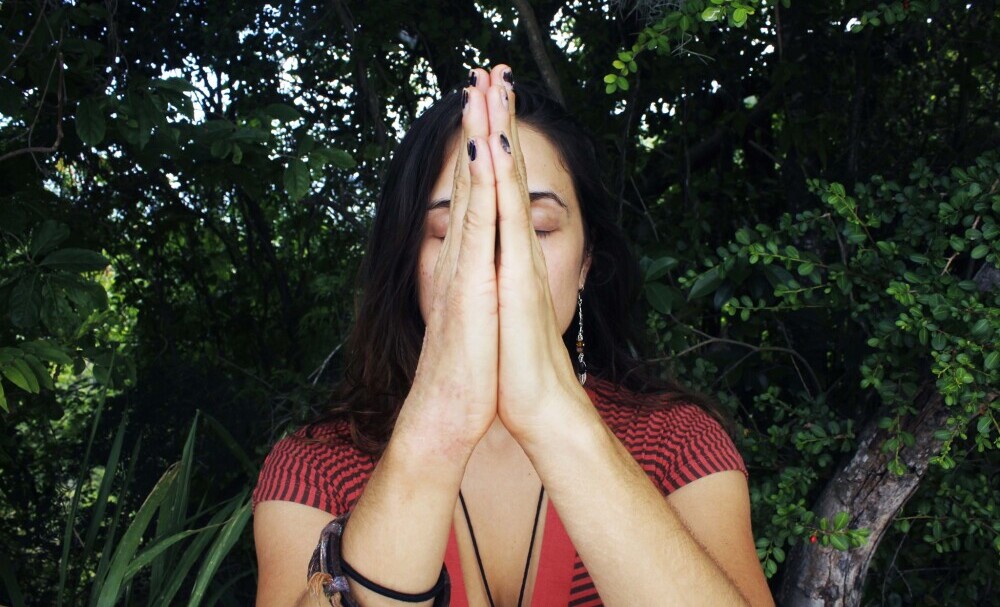
When I first began meditation, I was carrying a “past self”: living in anxiety, haunted by old versions of me, disconnected from my body and from joy. Over time — and yes, over many mornings of just showing up with my breath — I experienced subtle shifts: I felt safer, more grounded, more confident. Meditation became the anchor for me — not some perfect state I reached, but a faithful companion.
And then I noticed: meditation + somatic awareness started healing things I didn’t even know needed healing. Patterns, reactions, “stuck-in-the-past” loops. Books like those above validated that inner journey: showing that you can heal the nervous system, you can change your relationship with your body, you can rewrite your nervous system’s “story” from survival to safety.
Final Thoughts
Trauma healing is a journey, not a destination. Meditation doesn’t promise perfection; it offers a pathway back to your body, your breath, your presence. The books above are trusty companions — guiding you from feeling stuck, reactive, disconnected — to feeling embodied, calm, and open to life’s possibilities.
If you’ve been following along on Meditate4Calm, you know I believe in authenticity: I’ve been a “work in progress” too. I’ve used these tools in my life to shift from surviving to thriving. You can too.
I invite you now: pick one book from this list, set a date to begin, and make a small commitment. Then come back next week and reflect: “What shifted in me?”
Thank you for being here. If this article spoke to you, if you’ve read one of these books already, or if you’re just curious to begin — I’d love to hear from you. Share your experiences, your struggles, or your wins in the comments below. We’re in this together.
With love,
Deeana — Meditate4Calm

Disclaimer: This article is for informational purposes only and is not a substitute for professional medical or mental health advice. If you’re dealing with trauma, PTSD, self-harm or any significant mental health condition, please consult a licensed professional.