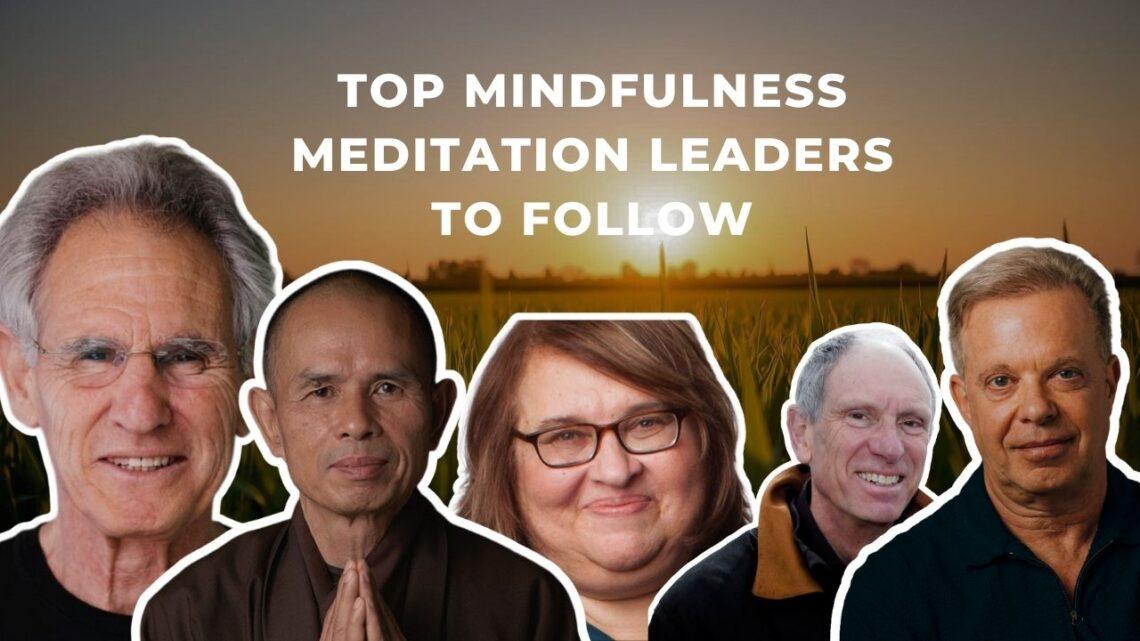
Meditation didn’t enter my life as some trendy hobby or a perfect morning ritual. It showed up in the middle of real life, and it started as nothing more than a small idea I couldn’t shake.
Years ago, when I was homeless and trying to survive a man I met on that journey introduced me to meditation. He told me how it helped him regulate his emotions, calm his thoughts, and stay grounded when everything felt unstable. At the time, I didn’t fully dive into this concept but that seed stayed with me until I found my way back to it later on.

When I finally was ready to take it seriously, it shifted everything. (If you’d like to know more about that chapter of my life, you can read my full story here)
On this journey, I’ve learned something powerful:
When you’re learning something new, mentors really can help and be a guiding force on your journey.
Whether they’re in your life physically or through books, videos, and teachings, having guides who’ve walked the path makes the road so much clearer. When i was homeless some of my top mentors where Tony Robbins, Eric Thomas & Les Brown not specific to meditation but they where teachers that kept me going during one of the most challenging times of my life.
So in this article, I’m sharing powerful mindfulness teachers who’ve (once i commited to meditation) helped me on my healing journey , and who continue to inspire me and millions around the world.
If you’re just getting started, or if you’re ready to deepen your practice, I highly recommend exploring these voices and seeing which ones resonate with you.
Affiliate Disclosure: Some links may be affiliate links, which means I may earn a small commission at no extra cost to you.
Leaders in Mindfulness
Jon Kabat-Zinn
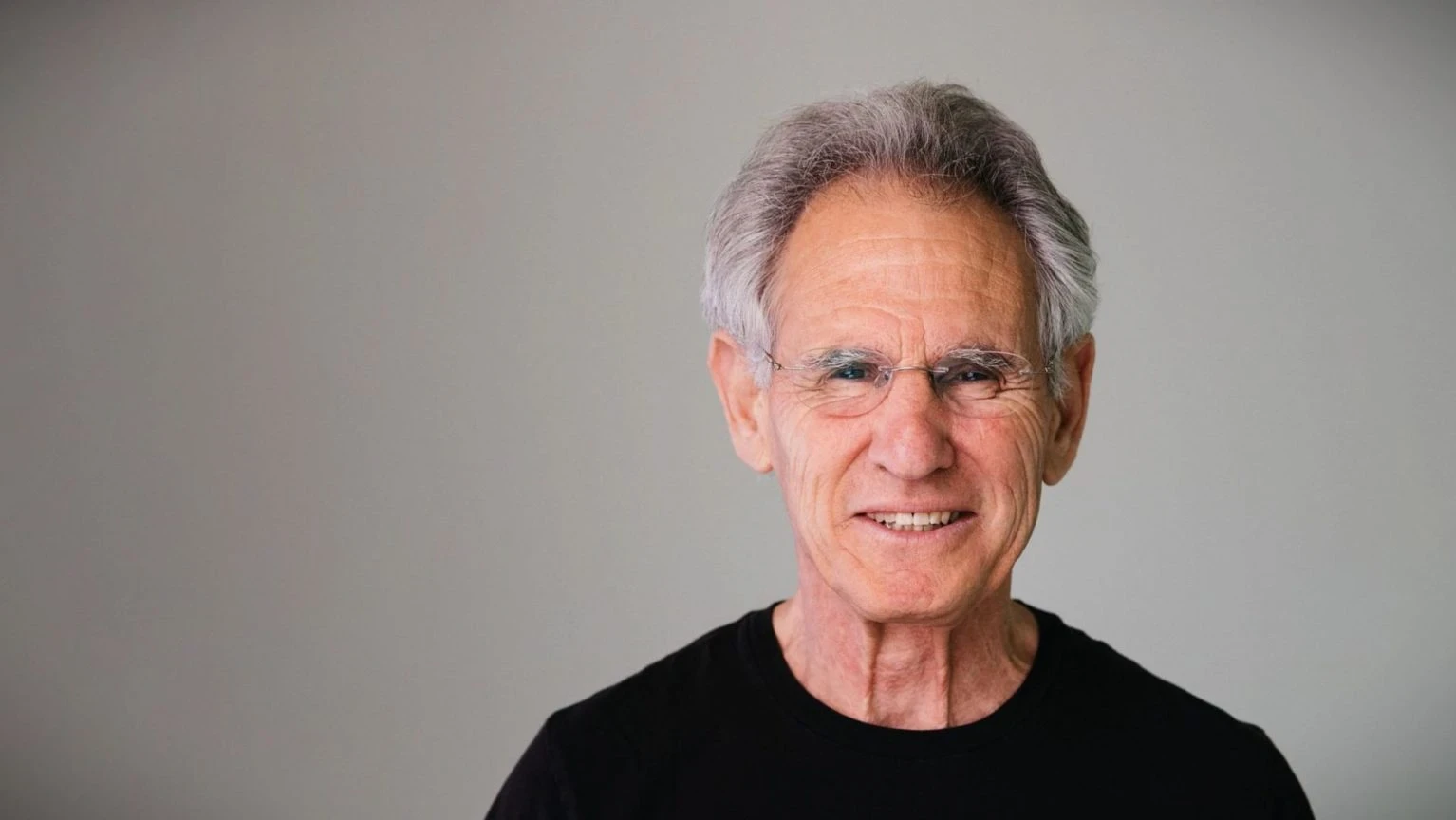
Jon Kabat-Zinn is widely credited with bringing mindfulness into mainstream Western medicine. In 1979, he founded the Mindfulness-Based Stress Reduction (MBSR) program at the University of Massachusetts Medical School. His goal was simple but revolutionary: make meditation accessible to people who were suffering — especially those dealing with chronic pain, illness, and stress.
Instead of framing mindfulness as a religious practice, he presented it as a skill anyone could learn, regardless of background or belief.
Because of his work, mindfulness is now used in hospitals, therapy offices, schools, and corporate wellness programs around the world. His research helped prove that meditation isn’t “woo” — it’s a legitimate tool for healing the nervous system and improving mental health.
He bridges science and spirituality in a way that feels deeply practical.
Recommended Book
Full Catastrophe Living
This book is often considered the “bible” of modern mindfulness. It walks you through how to use meditation for stress, pain, anxiety, and emotional overwhelm — with real-life examples and step-by-step practices.
Medical Disclaimer: This article is for educational purposes only and is not a substitute for professional medical or mental health care. Please consult a qualified provider for personalized support.
Tara Brach
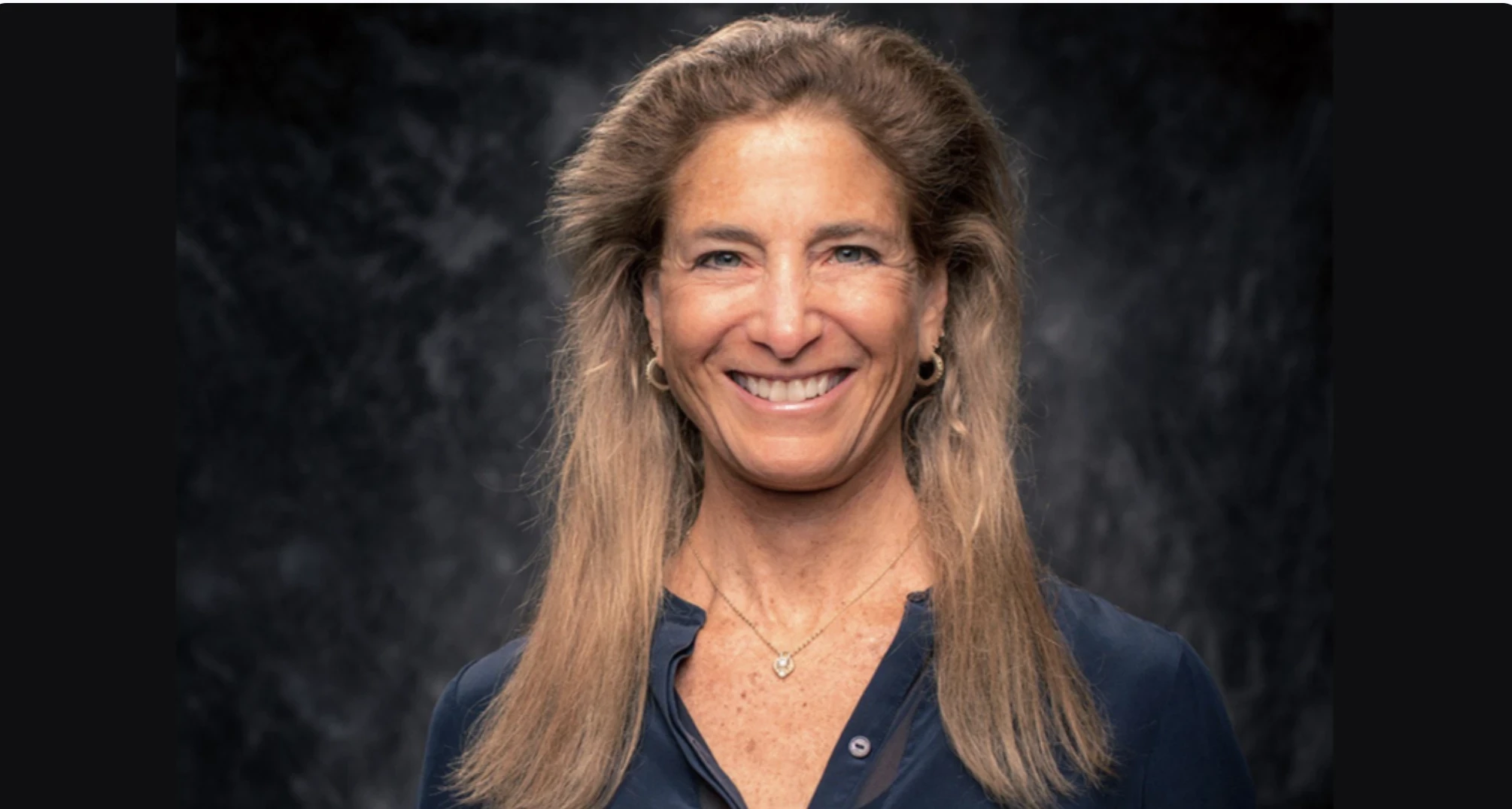
Tara Brach is both a licensed clinical psychologist and a long-time meditation teacher. This rare combination allows her to blend Eastern mindfulness traditions with modern psychology in a way that feels deeply relatable.
She began teaching meditation in the 1990s and quickly became known for her warmth, emotional intelligence, and compassion-centered approach.
Tara is best known for her teaching on Radical Acceptance — the idea that healing begins when we stop fighting ourselves. Instead of trying to “fix” your emotions, she teaches you to meet them with kindness and curiosity.
Her guided meditations often feel like emotional first aid for anxiety, shame, and self-doubt.
Recommended Book
Radical Acceptance
This book helps you release self-judgment and build a kinder relationship with yourself. It’s especially powerful if you struggle with perfectionism or feeling “not enough.”
Jack Kornfield
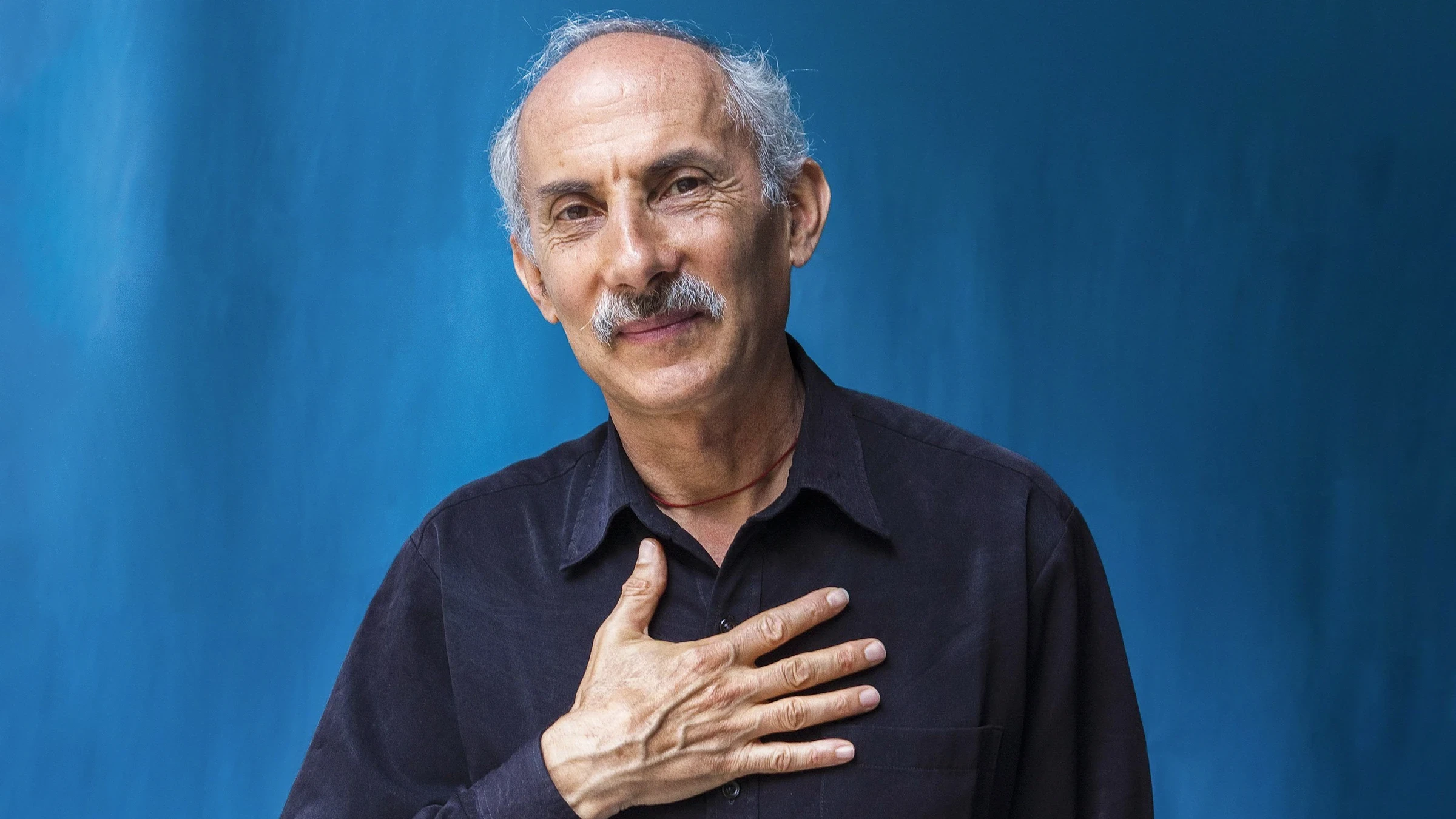
Jack Kornfield trained as a Buddhist monk in Thailand, Burma, and India before returning to the United States. He later became one of the founders of the Insight Meditation movement in the West.
His teaching style blends ancient wisdom with modern storytelling and humor.
Jack focuses on integrating mindfulness into real life — relationships, parenting, career, grief, and personal growth. He reminds students that enlightenment isn’t about escaping life, but learning to love it more fully.
His teachings are grounded, and compassionate.
Recommended Book
A Path with Heart
A heartfelt guide to spiritual practice that includes personal stories, struggles, and lessons learned along the way.
Sharon Salzberg
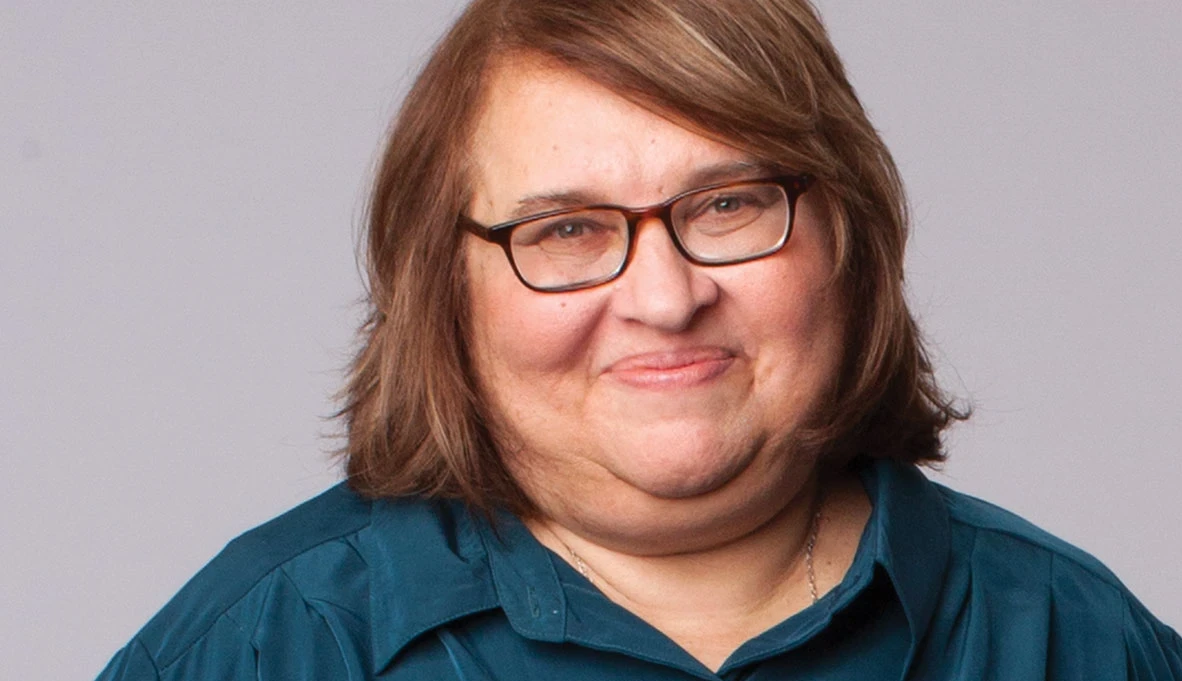
Sharon Salzberg began studying meditation in India in the 1970s and later helped establish Insight Meditation in the U.S. She became one of the first teachers to popularize loving-kindness (metta) practice in the West.
Her work emphasizes that mindfulness isn’t just awareness — it’s awareness infused with kindness. She teaches that self-compassion is not optional; it’s essential for healing.
Recommended Book
Lovingkindness
A practical guide to developing compassion for yourself and others, even when it feels difficult.
Joseph Goldstein
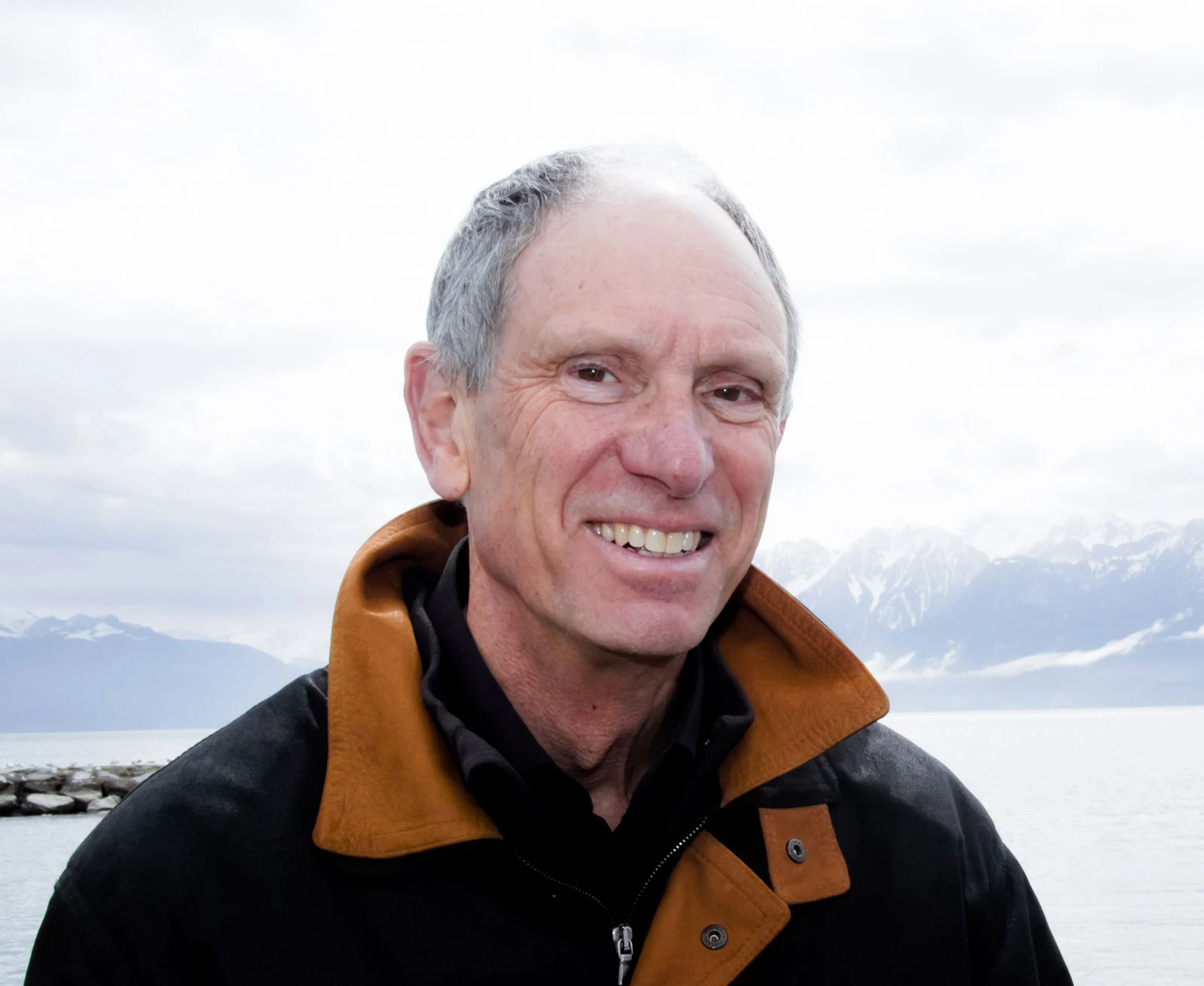
Joseph Goldstein has studied meditation for over five decades, learning directly from renowned teachers in Asia. He co-founded the Insight Meditation Society and has trained thousands of practitioners.
Joseph is known for his clarity and depth. He teaches mindfulness in a way that is intellectually rich yet accessible. His work focuses on understanding how the mind works — and how suffering is created and released.
His teachings are especially helpful if you enjoy both philosophy and practice.
Recommended Book
Mindfulness A Practical Guide to Awakening
A modern interpretation of Buddhist psychology designed for everyday life.
Thich Nhat Hanh
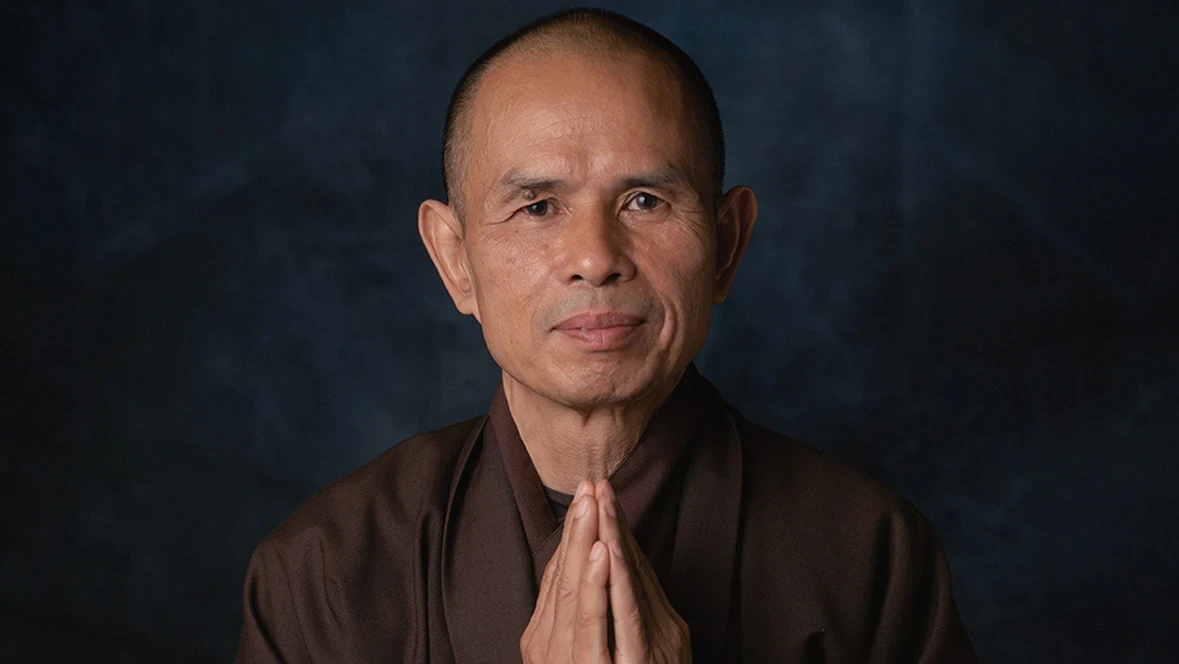
Thich Nhat Hanh was a Vietnamese Zen monk, peace activist, poet, and teacher. During the Vietnam War, he promoted nonviolence and mindful living, even in the midst of conflict.
He later established Plum Village in France, one of the world’s largest meditation communities.
He taught that mindfulness isn’t something you “do” — it’s something you live. Walking, washing dishes, eating, breathing — all of it can become meditation.
His phrase “Peace is every step” continues to inspire millions.
Recommended Book
Peace Is Every Step
A gentle, poetic guide to bringing awareness into daily life.
Pema Chödrön
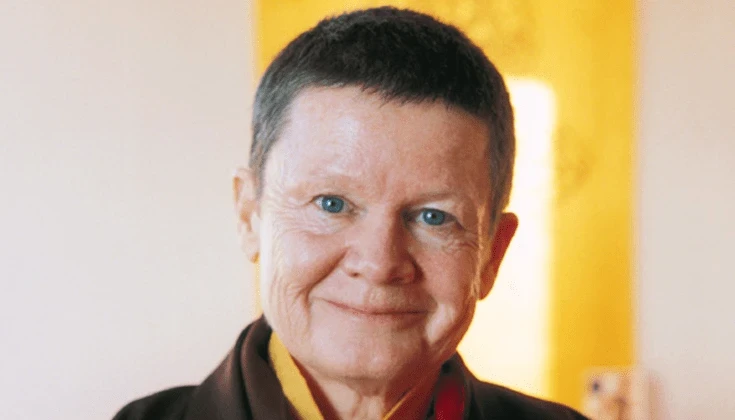
Pema Chödrön is an American-born Tibetan Buddhist nun who began teaching after experiencing major life transitions and personal struggles.
Her background makes her teachings especially relatable.
She focuses on working with fear, loss, uncertainty, and emotional pain — without spiritual bypassing. She teaches that discomfort is not something to avoid, but something to learn from.
Her work resonates deeply with people going through life changes.
Recommended Book
When Things Fall Apart
A compassionate guide for navigating heartbreak, anxiety, and uncertainty.
Eckhart Tolle
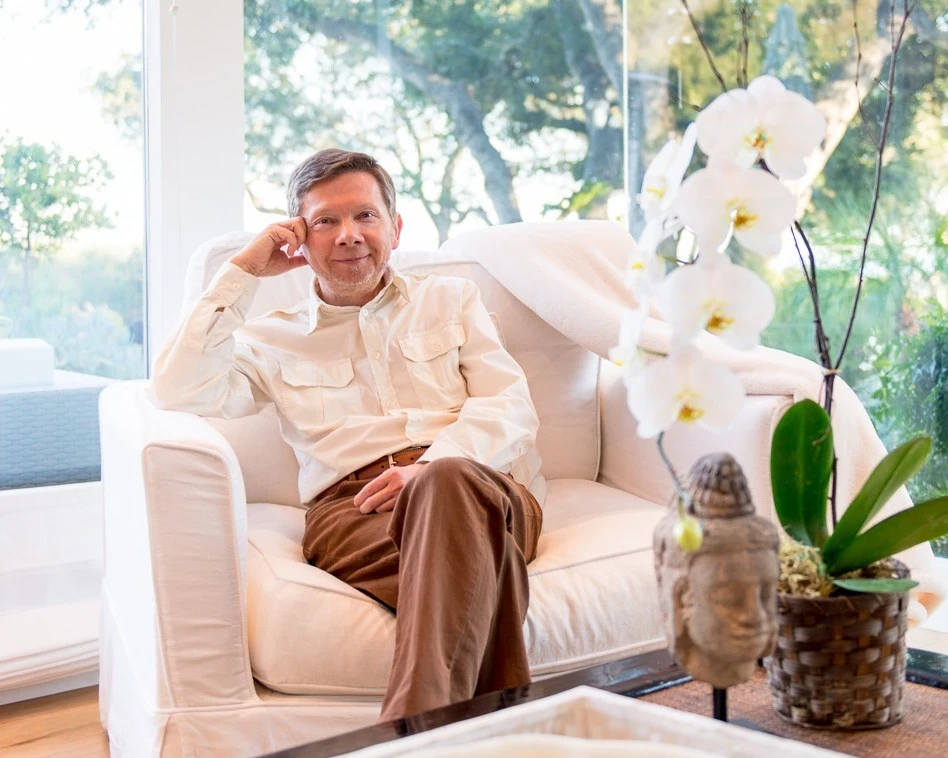
Eckhart Tolle experienced a profound spiritual awakening in his late 20s after years of depression. This experience reshaped his understanding of consciousness and presence.
He later became one of the most influential spiritual teachers in the world.
While not strictly a mindfulness teacher, his emphasis on present-moment awareness aligns closely with mindfulness practice. He teaches how to observe thoughts instead of being controlled by them.
His work is especially helpful for breaking habitual mental patterns.
Recommended Book
The Power of Now
A foundational book on presence, awareness, and inner peace.
Joe Dispenza
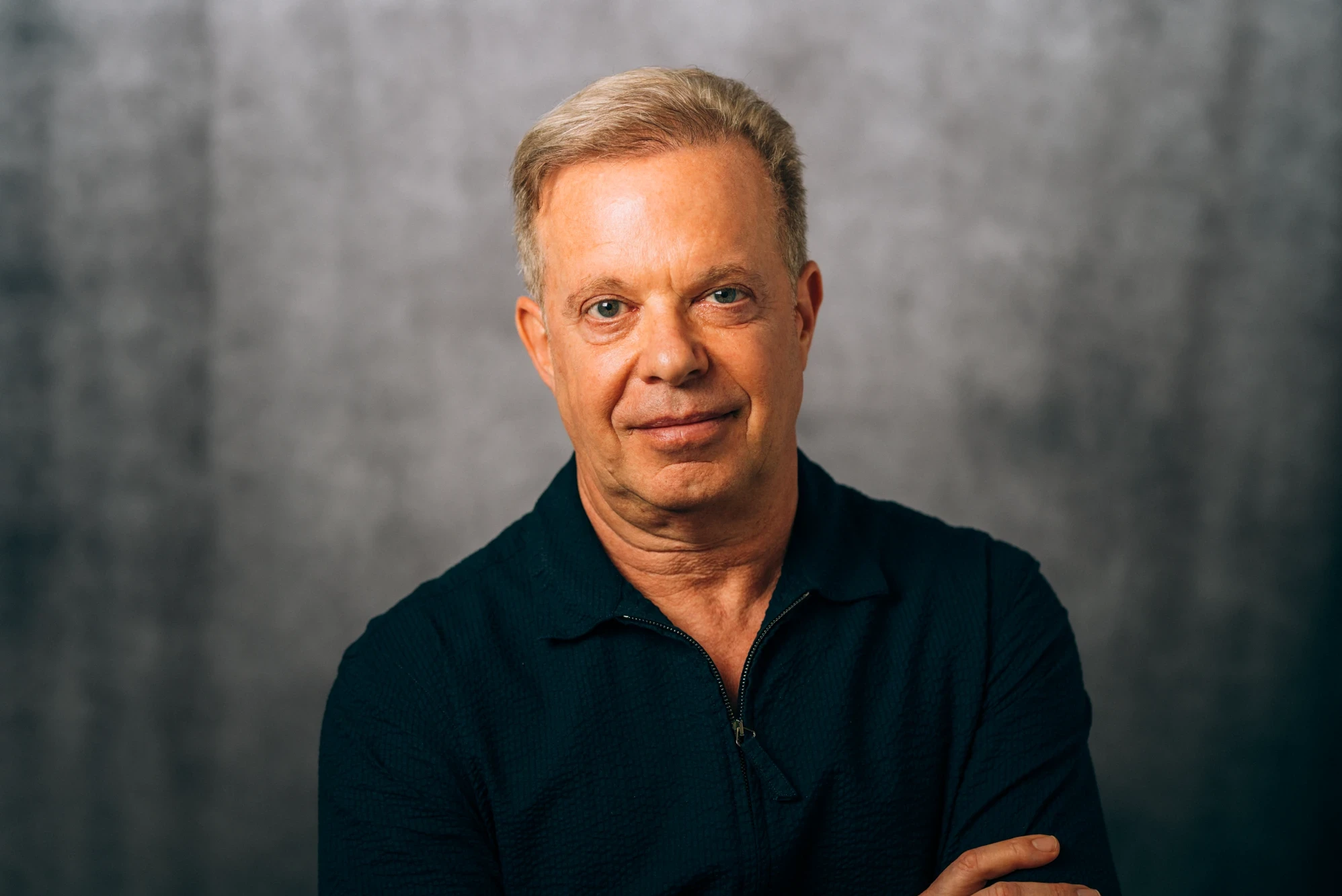
Dr. Joe Dispenza has a background in neuroscience, chiropractic care, and epigenetics, and his work explores the relationship between the mind, the brain, and the body. After recovering from a serious injury, he began teaching practices that combine meditation, visualization, and intentional emotional states.
And honestly? Joe Dispenza was the catalyst for me. His work is what made me revisit that old idea of meditation — an idea that had been sitting in the back of my mind for years. When I stopped treating meditation like an interesting concept and started actually applying his teachings, things began to change.
His approach opened the door, and once that door was open, I kept walking through it. I continued researching other teachers — many of whom I’m sharing in this list — and slowly built a practice that really started to work for me.
Recommended Book
Breaking the Habit of Being Yourself
A powerful guide to changing subconscious patterns and creating new habits of thought and emotion.
Keeping It Simple
You don’t need to study everyone at once — start simple. Pick one teacher that you feel called to, and let that be your anchor for a few weeks. Then create a micro-practice you can actually keep: 5–10 minutes daily beats 60 minutes once a month (every time). Mix learning with doing so it doesn’t stay stuck in your head — read a chapter, listen to a short talk, and then practice immediately, even if it’s just three mindful breaths. And finally, track your shifts like a real-life experiment: journal what changes in your mood, sleep, reactivity, and focus.
Medical Disclaimer: This article is for educational purposes only and is not a substitute for professional medical or mental health care. Please consult a qualified provider for personalized support.
FAQ’s
1. Do I need a teacher to meditate?
No — you can absolutely start on your own. But a good teacher gives you structure, helps you avoid common “am I doing this wrong?” spirals, and keeps you consistent when motivation dips (because it will).
2. How long should I meditate daily?
Start with 5–10 minutes, especially if you’re building the habit from scratch. Consistency matters more than duration at first, and you can gradually grow from there once it feels normal in your day. When I first started with meditation i began with guided meditations 10-15 mins a day now i don’t use guided meditations as often and can meditate now for 30min to almost an hour a day. Start small and be consistent!
3. What if my mind won’t quiet?
That’s completely normal — minds think, that’s literally their job. The practice isn’t to force silence, it’s to notice when you’ve wandered and gently come back (and that noticing is mindfulness).
4. Can meditation help trauma?
Yes, meditation can support healing by helping you build safety in your body and regulate your nervous system over time. But if you have a histroy of trauma, it’s best to consider working with a licensed professional. Meditation can be used in conjuction with other practices such as CBT, therapy etc
5. Is mindfulness religious?
Mindfulness has roots in Buddhist traditions, but modern mindfulness practice is often taught in a completely secular way. At its core, it’s a mental training skill — learning to pay attention on purpose — and it’s used worldwide in healthcare, education, and therapy.
Affiliate Disclosure: Some links may be affiliate links, which means I may earn a small commission at no extra cost to you.
Closing: Your Journey Is Yours

Your meditation path doesn’t have to look like mine. Or anyone else’s. It doesn’t need to be aesthetic, or backed by a flawless routine. It just has to feel honest TO YOU. And if you’re showing up everyday then you’re already doing something powerful. You’re building trust with yourself. You’re training your nervous system to feel safer. You are making active shifts in your reality, developing and honing your meditation skills and connecting a little more to the present moment.
So i’m curious… which of these teachers have you heard of before? Who was the very first voice that ever made meditation feel real to you? And when life was heavy — when you were anxious, overwhelmed, grieving, exhausted, whose teachings actually helped you come back to yourself?
If none of these are teachers you actively follow Which teacher are you currently following? I would love to learn i know there are many many teachers out there. If you feel compelled please feel free to share who has helped you on your journey. I hope this article has help. I am sending you light and love.
With love,
Deeana — Meditate4Calm